
The Nvidia GeForce RTX 5090: A Next-Gen Leap Fueled by AI
Nvidia's RTX 5090 arrives as the latest high-end graphics card, promising a new generation of PC gaming. However, its performance gains aren't uniformly impressive. While raw power shows a significant increase over the RTX 4090 in benchmarks, real-world gaming performance isn't as dramatically different, especially without DLSS Frame Generation. The true generational leap comes from DLSS 4 and its Multi-Frame Generation.
The upgrade's value depends heavily on your gaming setup and preferences. For those with 4K displays and high refresh rates (240Hz+), the AI-generated frames offer a significant performance boost and a glimpse into the future of gaming. For users with lower-end displays, the upgrade might not be worthwhile.
Nvidia GeForce RTX 5090 – Image Gallery
 5 Images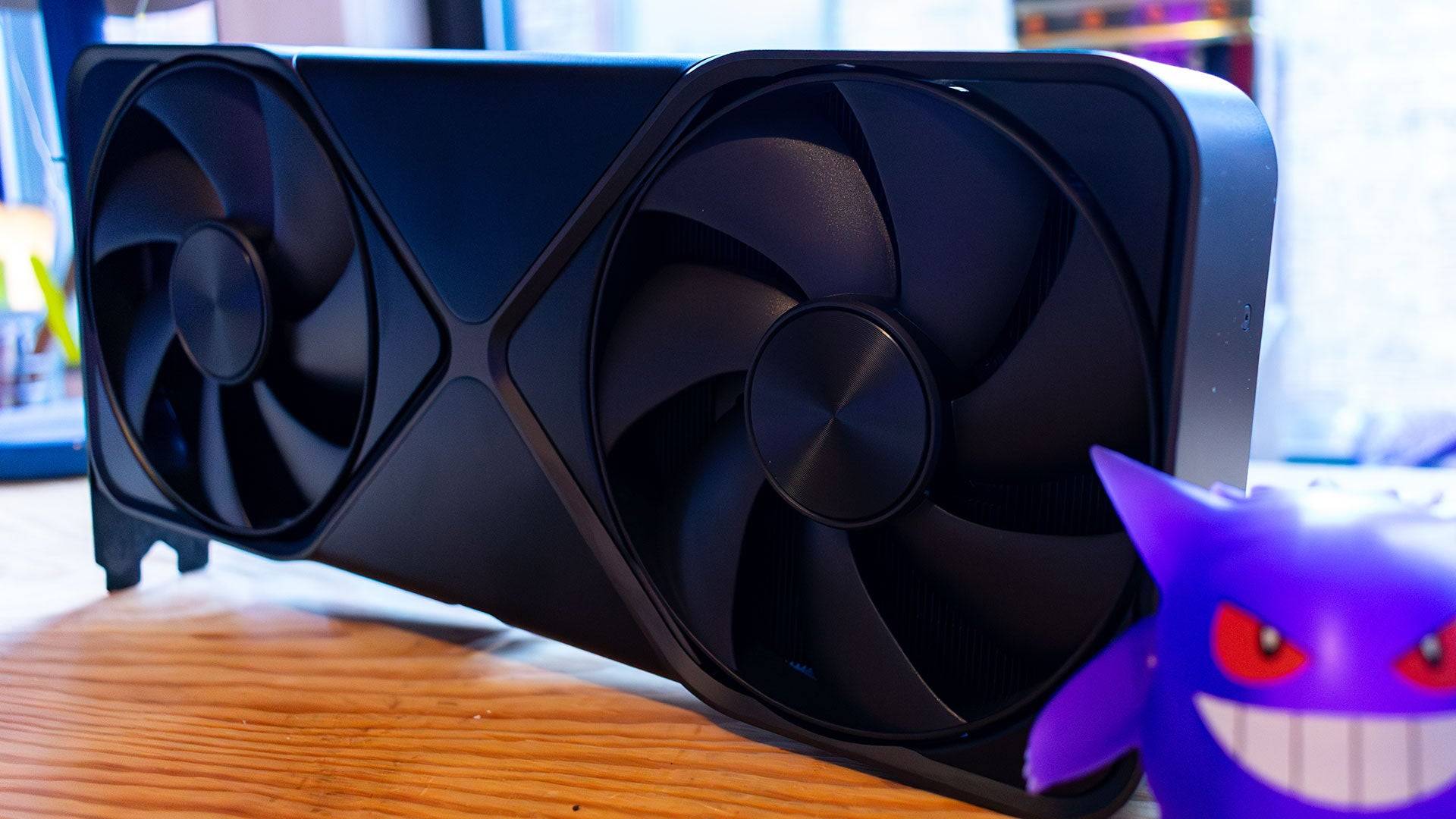
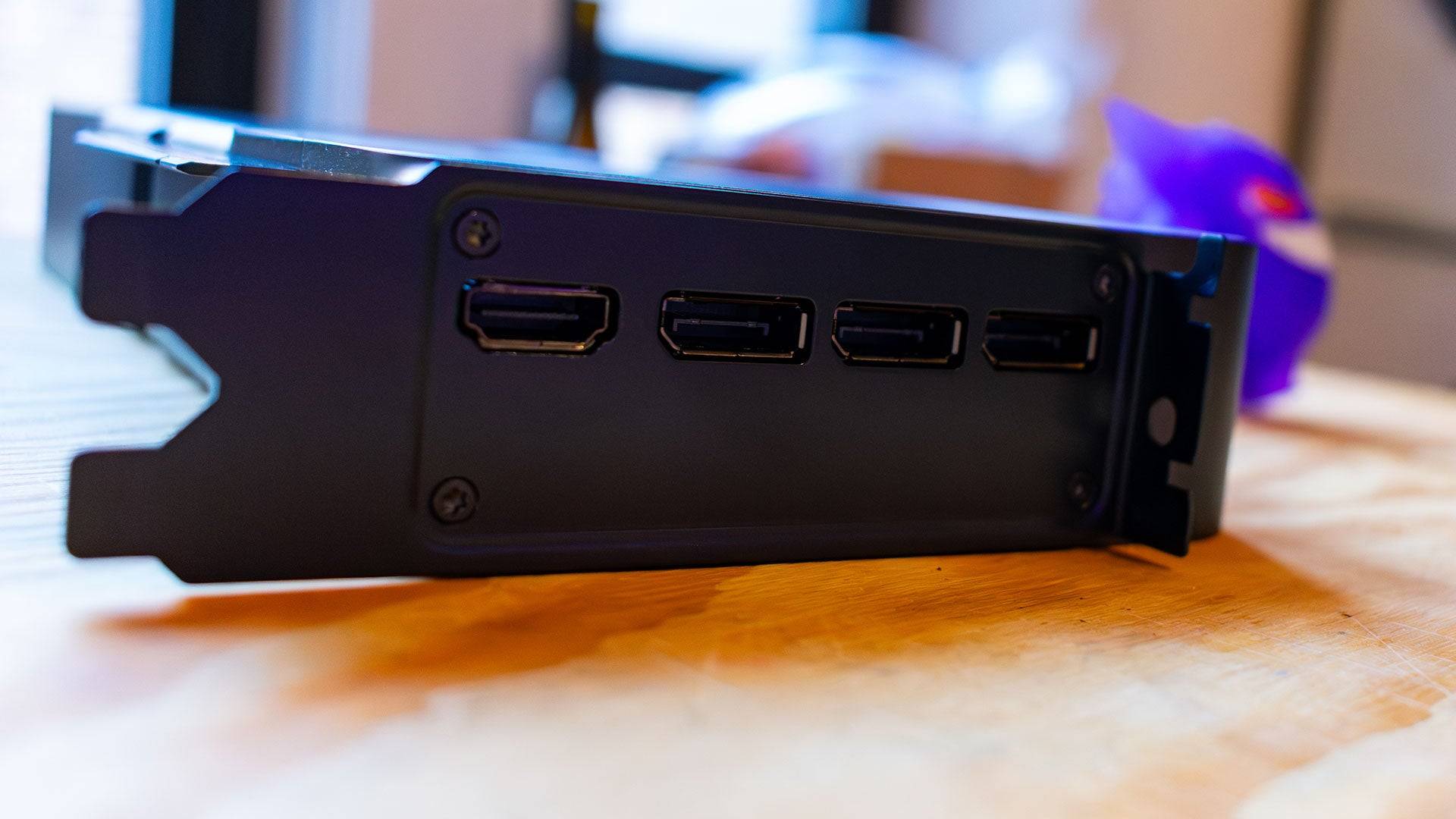
RTX 5090 – Specifications and Features
Built on Blackwell architecture, the RTX 5090 boasts a significant increase in CUDA cores (21,760 vs. 16,384 in the RTX 4090), resulting in a 32% boost in shader cores. Each Streaming Multiprocessor (SM) includes four Tensor Cores and one RT Core, enhancing AI and ray tracing capabilities. The 5th-generation Tensor Cores support FP4 operations, reducing VRAM dependency for AI tasks.
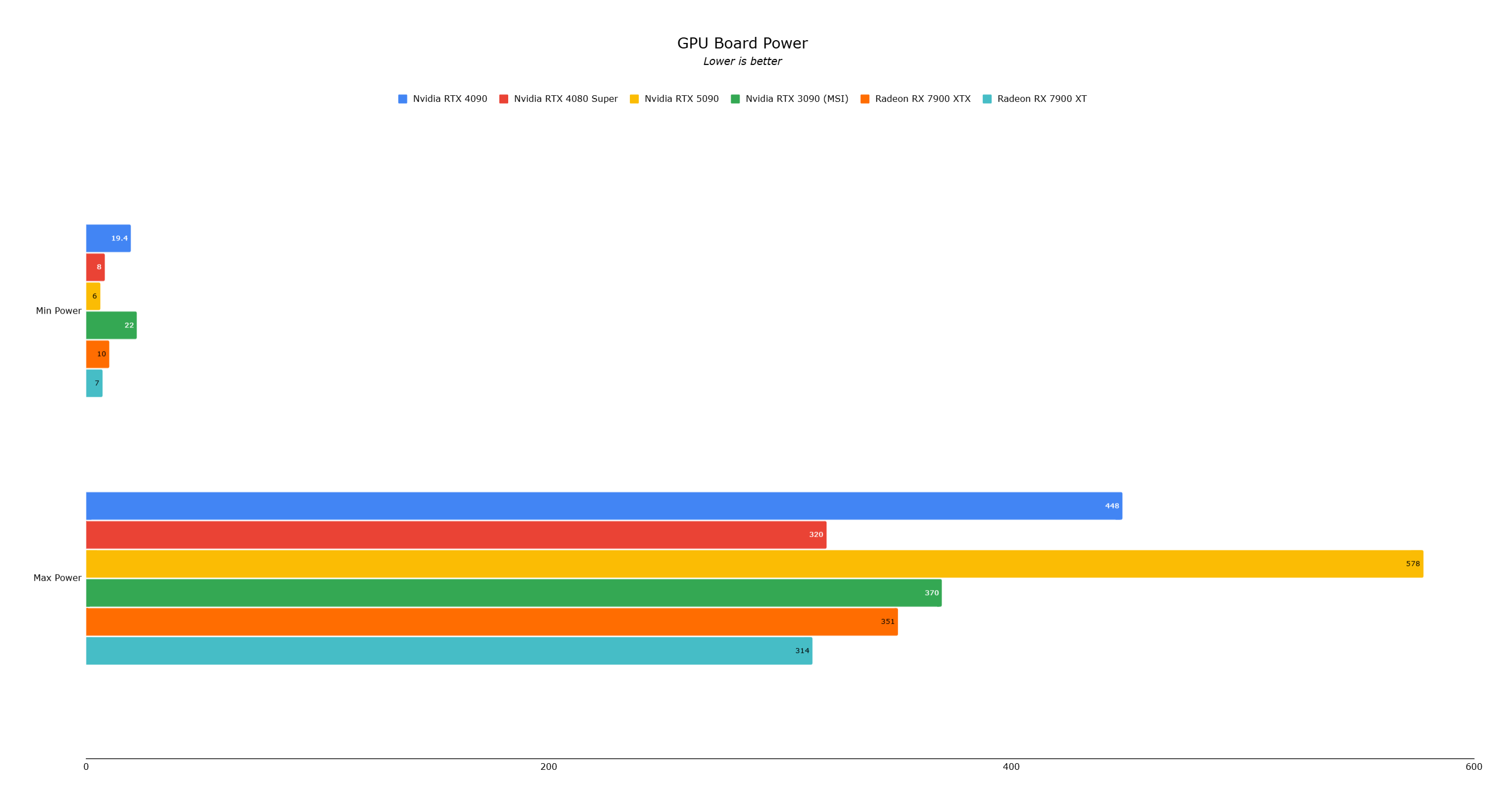
The card features 32GB of GDDR7 VRAM, a generational upgrade offering improved speed and power efficiency compared to GDDR6X. However, its 575W power consumption is a substantial increase over the RTX 4090.
DLSS 4's shift to a Transformer Neural Network (TNN) aims to improve image quality and reduce artifacts. Multi-Frame Generation, an evolution of DLSS 3's Frame Generation, generates multiple frames from each rendered image, dramatically increasing frame rates. However, like its predecessor, it's most effective with already decent frame rates (around 60fps or higher).
Purchasing Guide
The RTX 5090 launched January 30th, starting at $1,999 for the Founders Edition. Third-party cards will likely command higher prices.
The Founders Edition
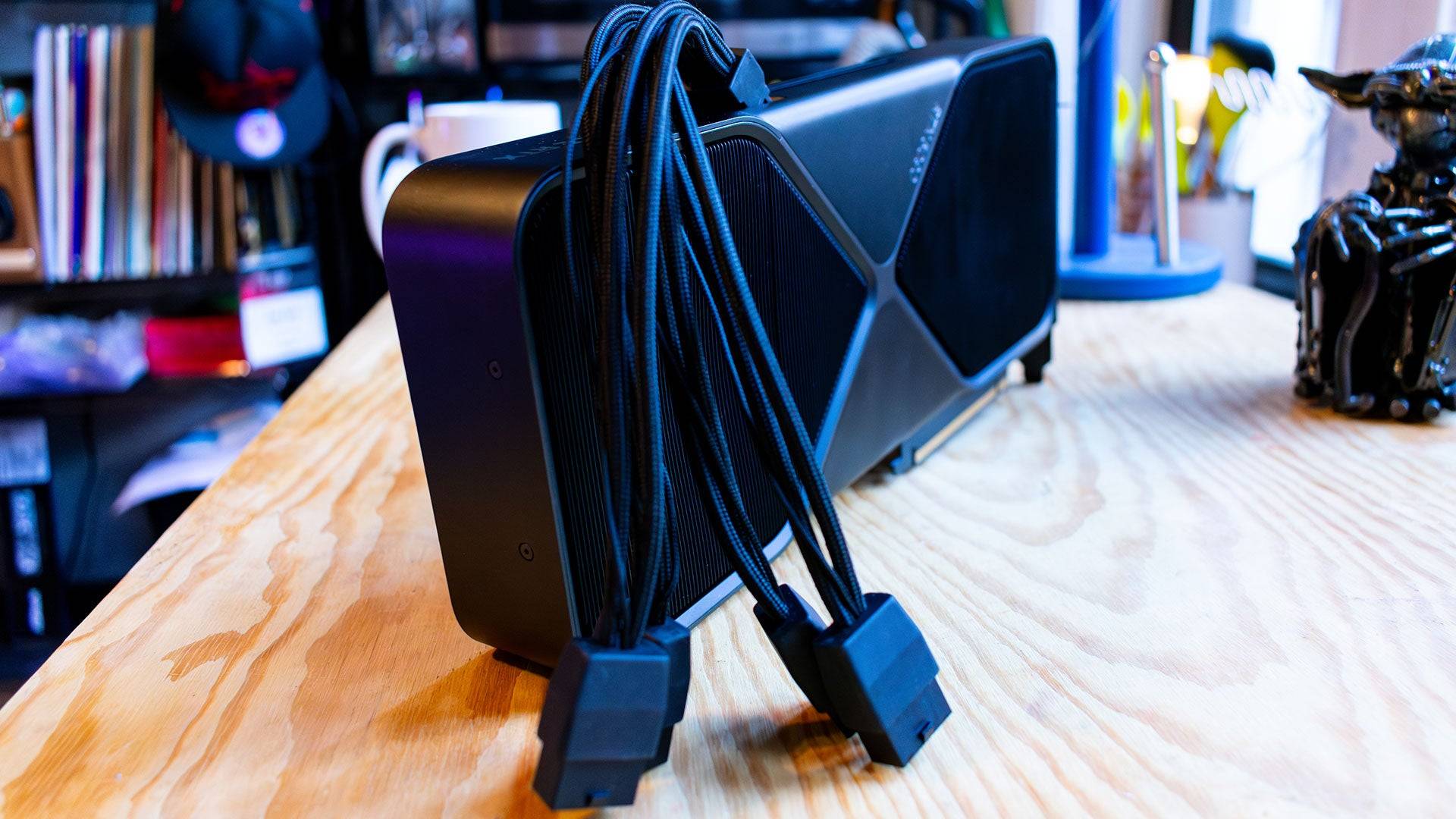
Despite its 575W power draw, the Founders Edition is surprisingly compact, fitting within a dual-slot chassis. This is achieved through a redesigned PCB placement and cooling solution, directing airflow efficiently. Temperatures reach around 86°C under load, which, while high, is below the throttling threshold.
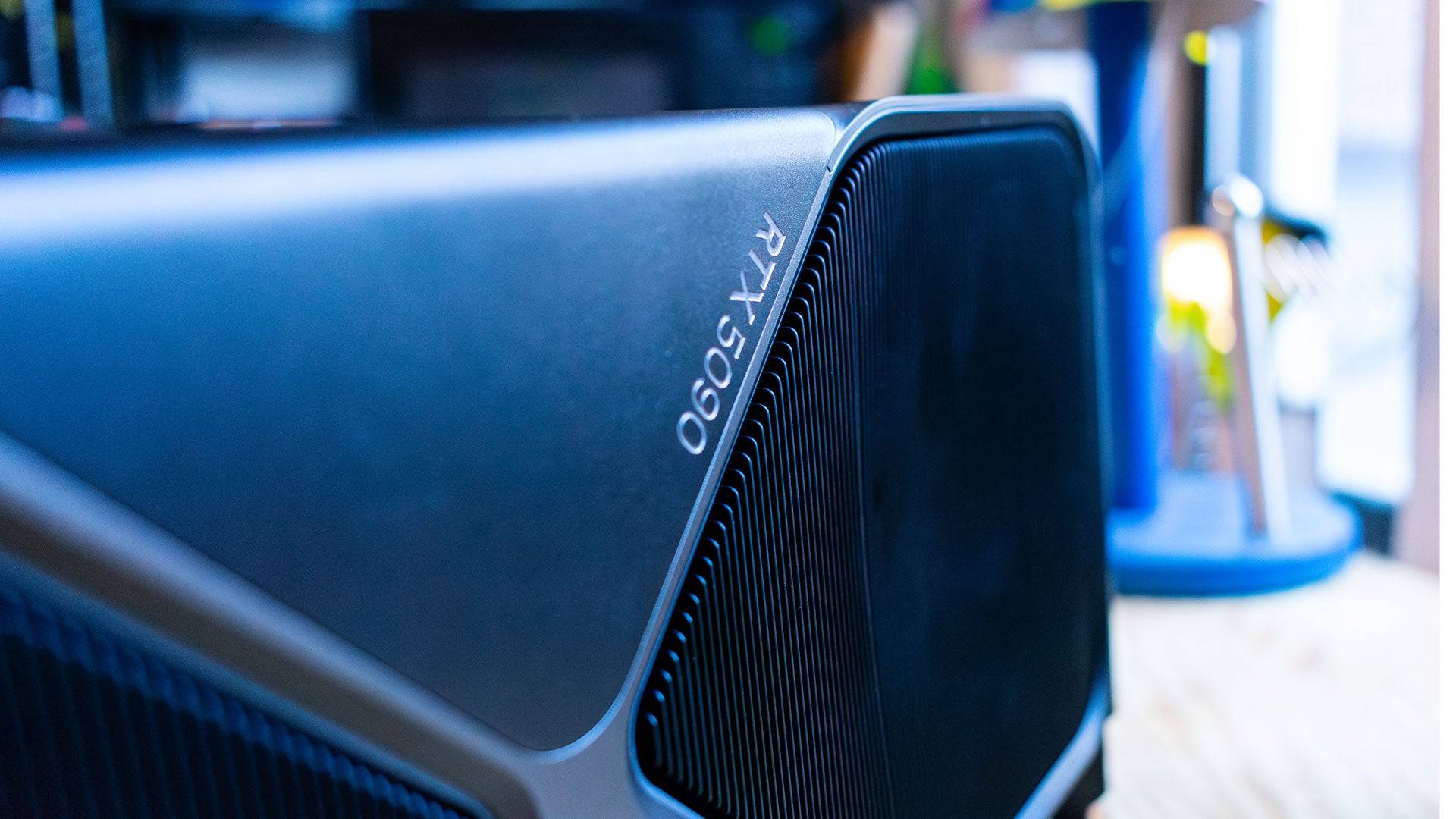
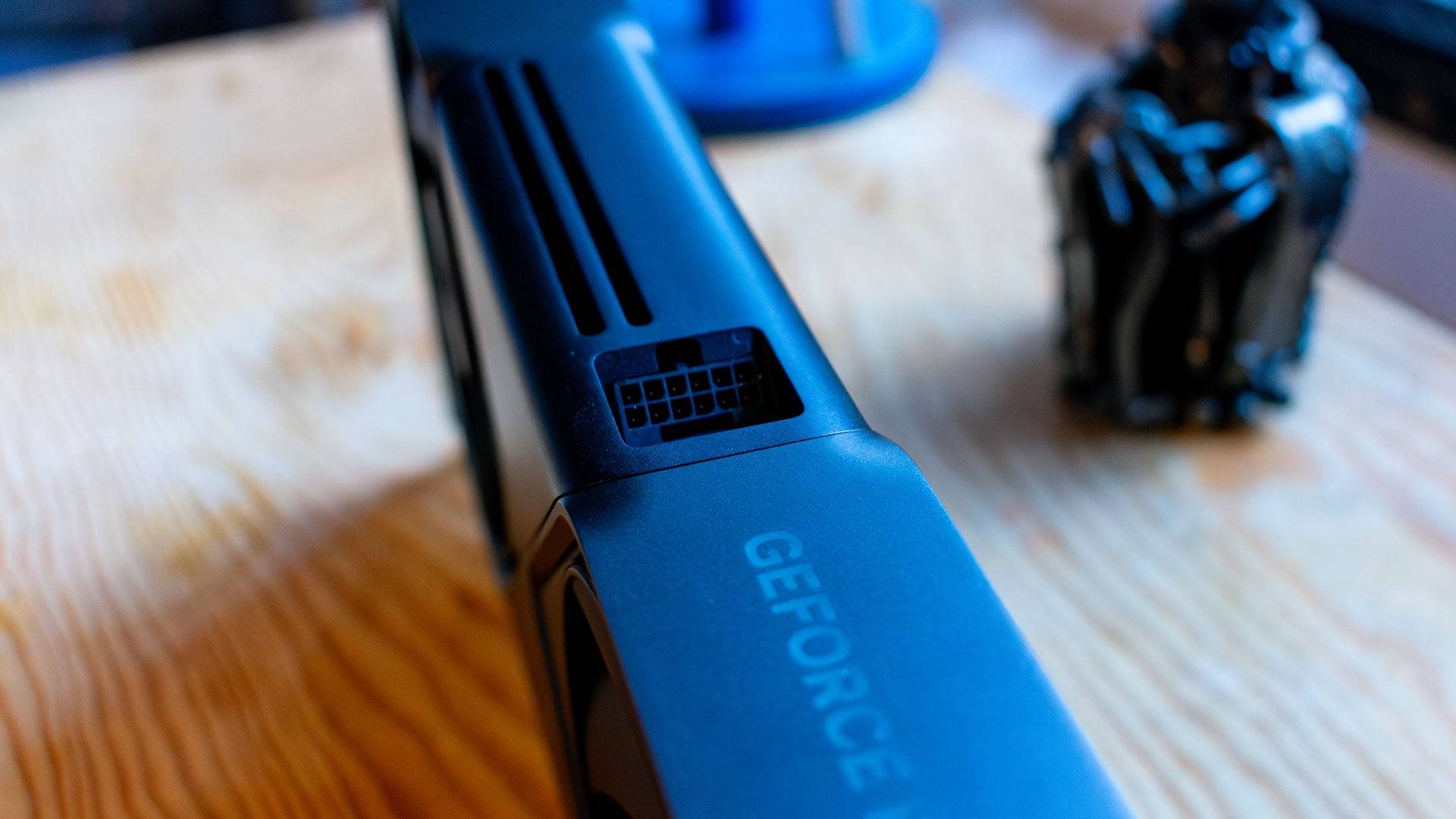
The card retains a similar design language to previous generations, with a silver 'X' design and a GeForce RTX logo. It uses a new, angled 12V-2x6 power connector, claimed to be more efficient than its predecessor, and includes an adapter for four 8-pin PCIe power connectors.
This compact design makes it suitable for smaller PC builds, although third-party versions will likely be larger.
DLSS 4: Addressing "Fake Frames" Concerns
While the RTX 5090 can achieve impressive frame rates, much of this is due to DLSS 4's Multi-Frame Generation. This technology, powered by a new AI Management Processor (AMP) core, is significantly faster and more memory-efficient than the previous generation. The AMP handles workload distribution on the GPU, reducing latency. The Flip Metering algorithm further minimizes input lag.
Multi-Frame Generation isn't a magic bullet; it's most effective with already acceptable frame rates. Enabling it with low frame rates can introduce significant latency. Optimal results are achieved with DLSS upscaling enabled.
Initial testing in Cyberpunk 2077 and Star Wars Outlaws showed impressive results, with substantial frame rate increases at 4K with minimal noticeable artifacts. However, wider testing across a larger game library is needed to confirm consistent performance.
RTX 5090 – Performance Benchmarks
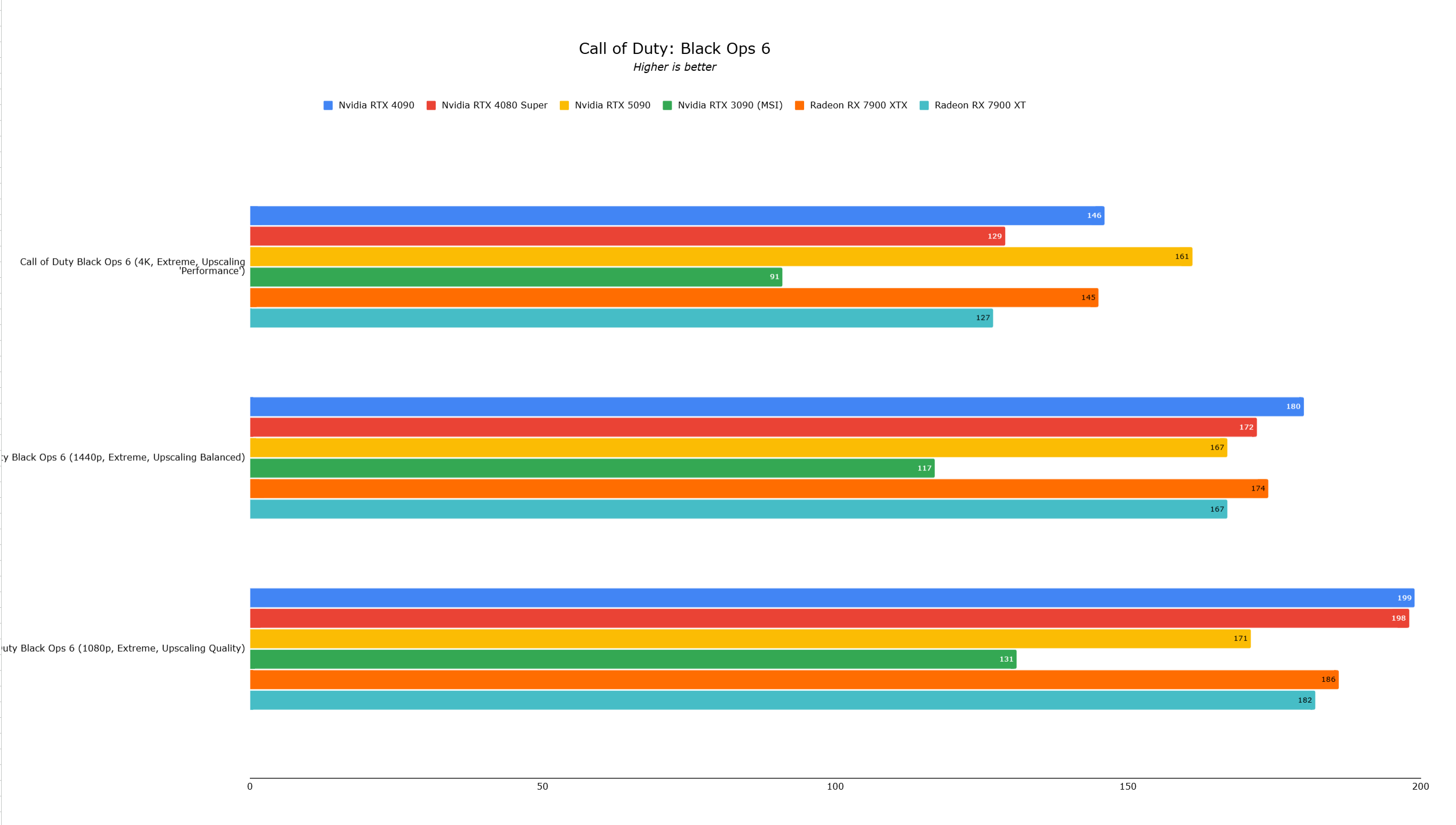
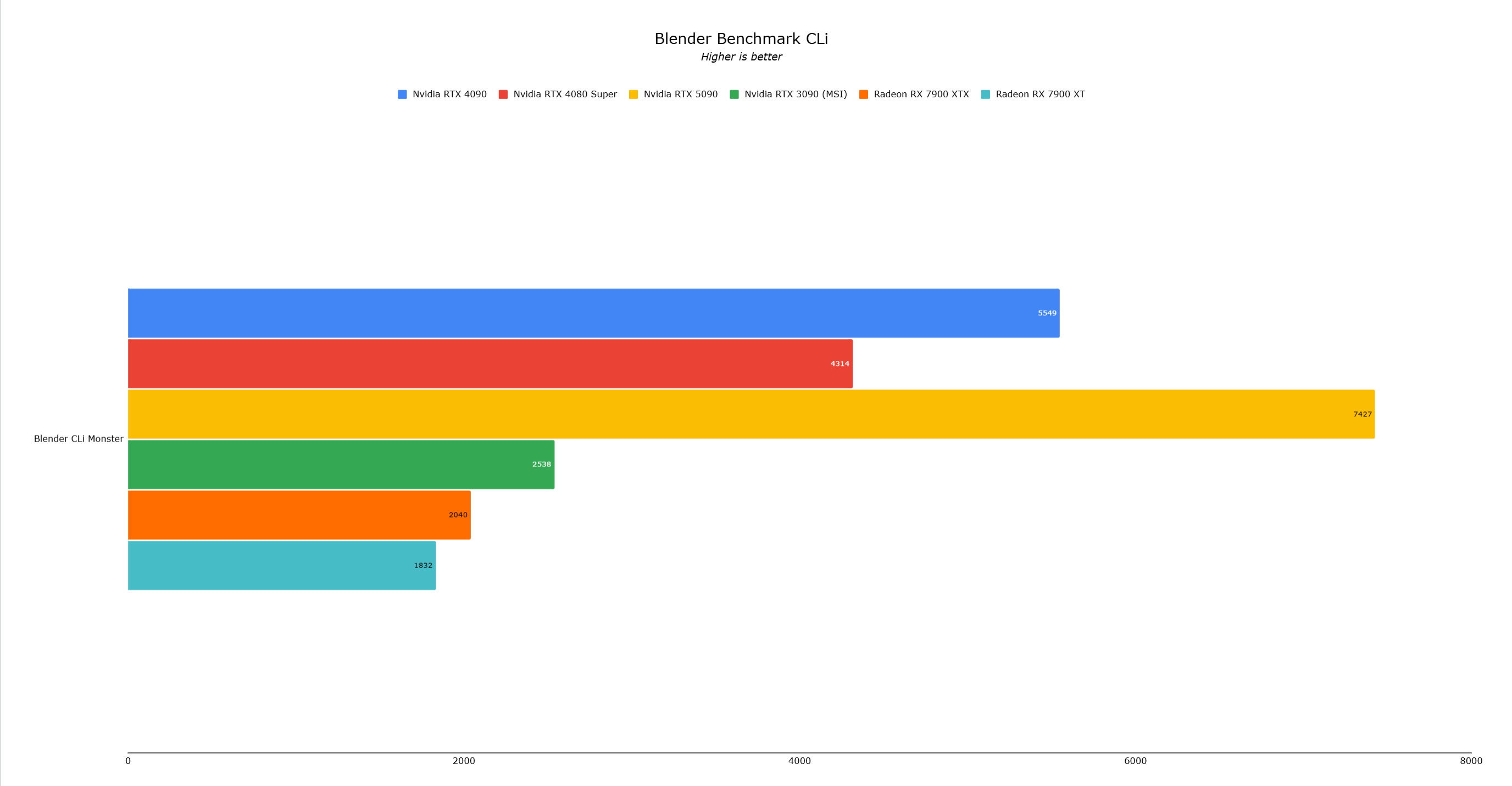
Benchmarking revealed a generational leap in raw performance over the RTX 4090 in 3DMark, with up to a 42% improvement. However, real-world gaming performance showed more modest gains, often limited by CPU bottlenecks, even at 4K with a high-end Ryzen 7 9800X3D processor. For users already owning high-end GPUs, the upgrade might not be justified.
The following benchmarks were conducted without DLSS 4, using publicly available drivers:
- 3DMark: Significant performance gains (42% in Speed Way and Port Royal).
- Call of Duty Black Ops 6: A modest 10% improvement at 4K.
- Cyberpunk 2077: A 10% improvement at 4K, with diminishing returns at lower resolutions.
- Metro Exodus: Enhanced Edition: A 25% improvement at 4K with DLSS disabled.
- Red Dead Redemption 2: A minimal 6% improvement at 4K.
- Total War: Warhammer 3: A 35% improvement, showcasing raw rasterization performance.
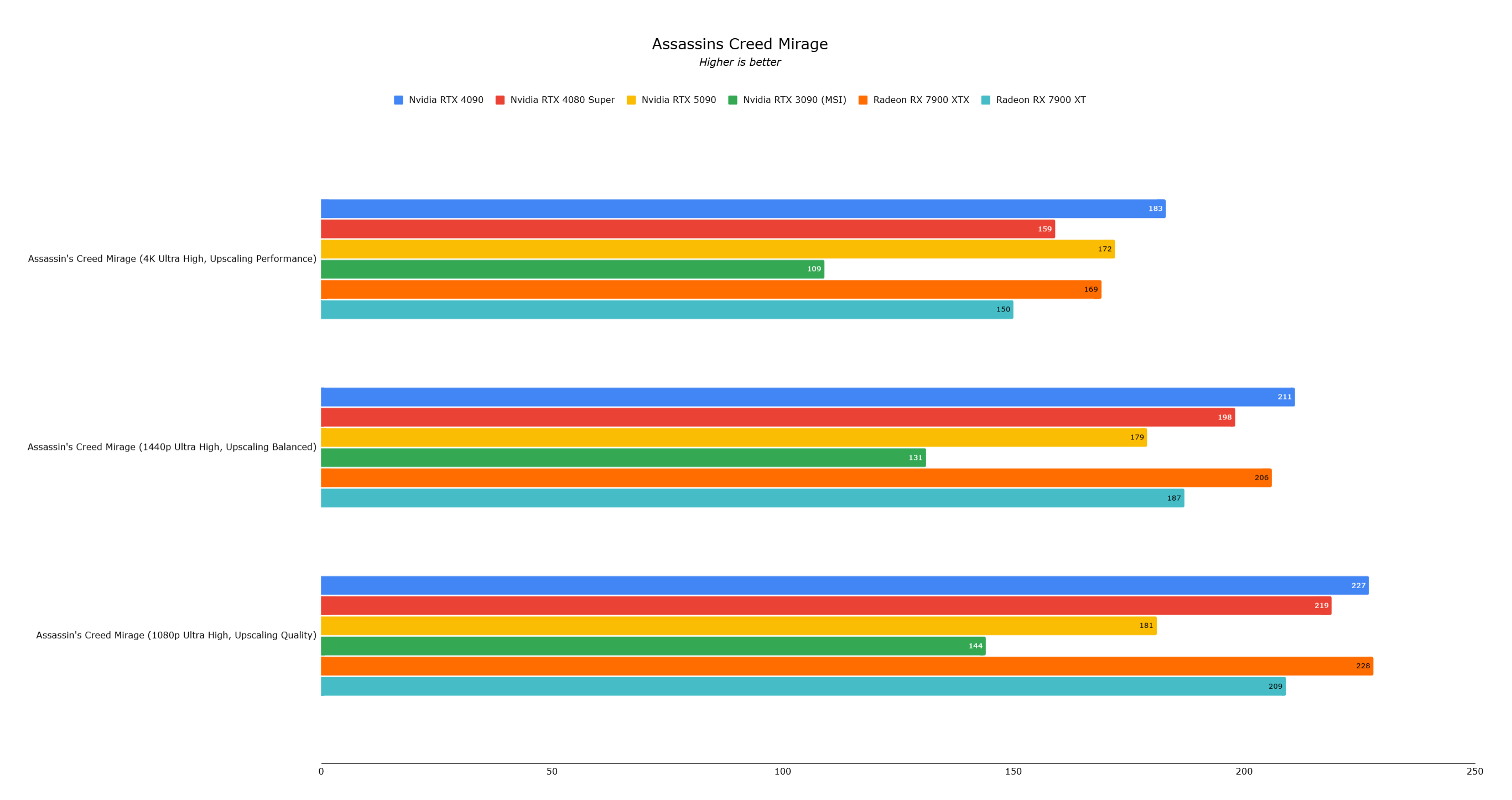
- Assassin's Creed Mirage: Showed initially poor performance, likely a driver issue.
- Black Myth: Wukong: A 20% improvement at 4K.
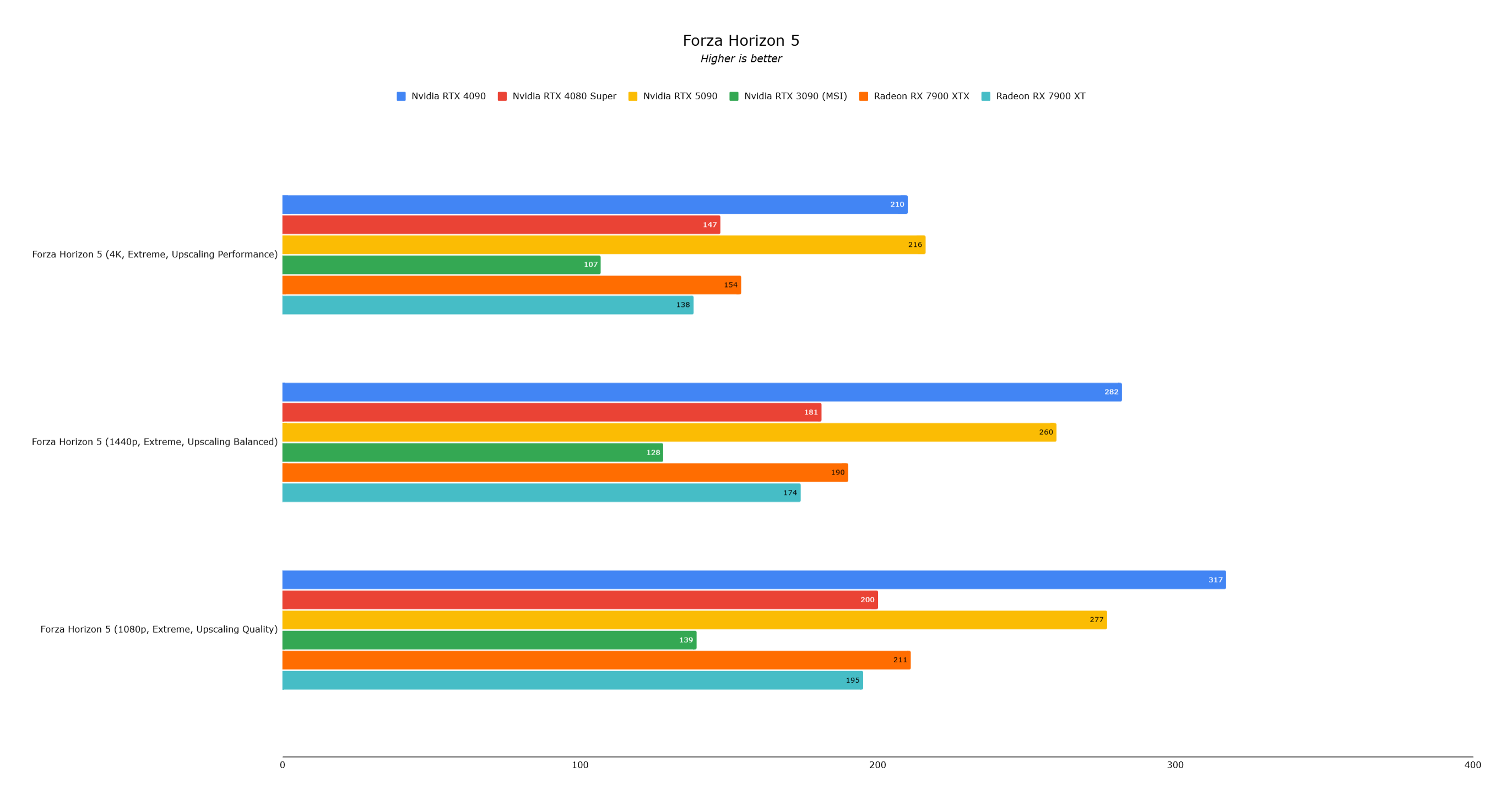
- Forza Horizon 5: Minimal difference within the margin of error.
Nvidia GeForce RTX 5090 – Benchmark Charts
 14 Images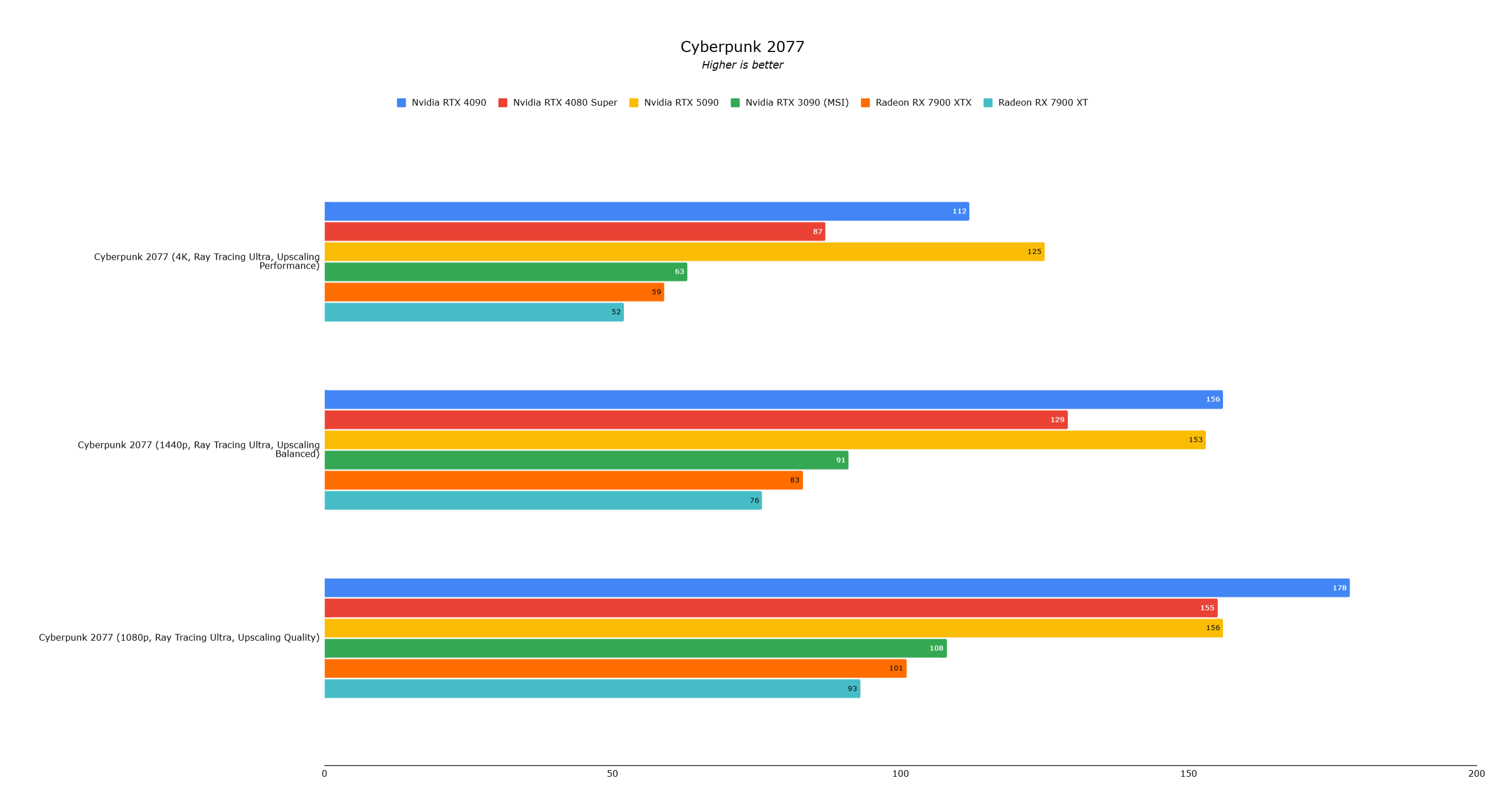
Conclusion
The RTX 5090 is undeniably powerful, currently holding the title of the fastest consumer graphics card. However, its performance gains in many current games aren't as transformative as previous generational leaps. Its success hinges on the future of AI-powered gaming. DLSS 4's Multi-Frame Generation offers a significant performance boost for high-end setups, but its effectiveness is dependent on sufficient baseline frame rates. For most users, the RTX 4090 remains a powerful and cost-effective option. The RTX 5090 is a bet on the future of AI in gaming, and a significant investment for those willing to embrace it.