Civilization's leaders are as iconic as the civilizations themselves. Firaxis' approach to selecting national representatives has evolved significantly over the years. This exploration delves into Civilization VII's leader roster and its innovative approach to leadership.
← Return to Sid Meier's Civilization VII main article
Civ VII: A Redefined Approach to Leadership
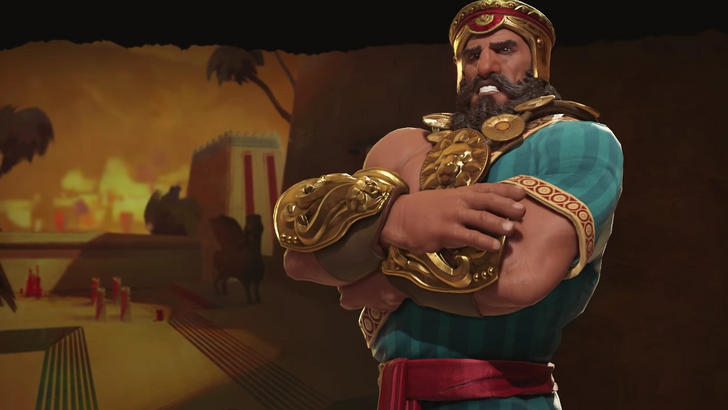
Since the first game, Civ leaders have been integral to the series' identity. Each leader embodies their civilization's essence, impacting gameplay as profoundly as the civilization itself. However, the definition of "leader" and their impact have evolved with each installment.
This analysis examines Civilization's leader roster evolution, highlighting changes across iterations and how Civilization VII uniquely redefines leadership.
Early Civ: A Focus on Global Powerhouses
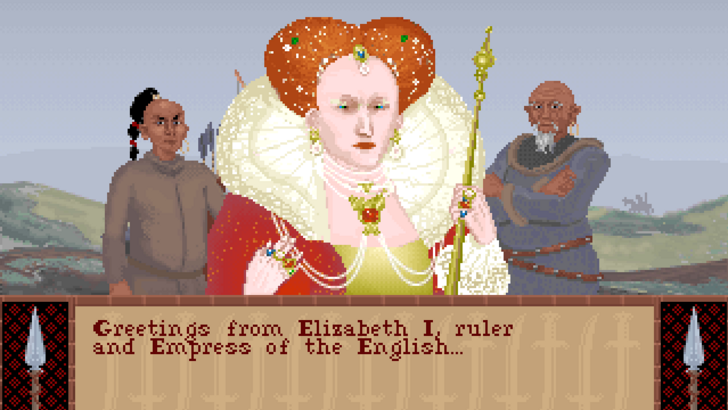
The original Civilization featured a relatively small roster compared to later games. It predominantly showcased global superpowers from antiquity and the early 1990s. Leader selection was straightforward, prioritizing widely recognized historical heads of state.
With only 15 civilizations (including America, Rome, Greece, Japan, China, France, Egypt, and Russia), the focus was on established figures like Abraham Lincoln, Tokugawa Ieyasu, Mahatma Gandhi, and Julius Caesar. The roster also included more controversial figures like Mao Zedong and Joseph Stalin. Elizabeth I was the sole female leader, reflecting the era's societal norms. While understandable for its time, this approach paved the way for future innovations.
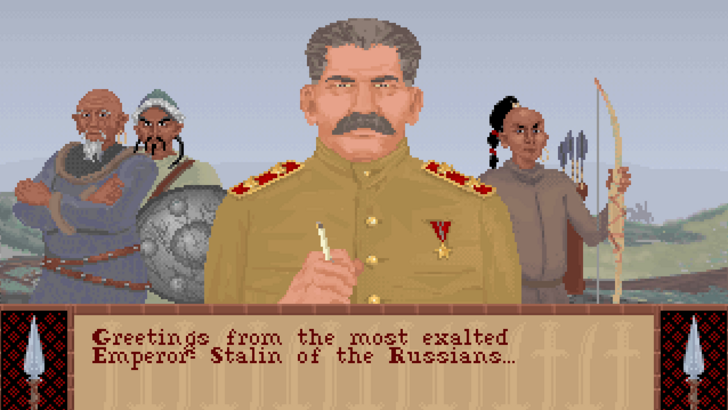
Civ II Through V: Expanding Diversity and Creative Scope
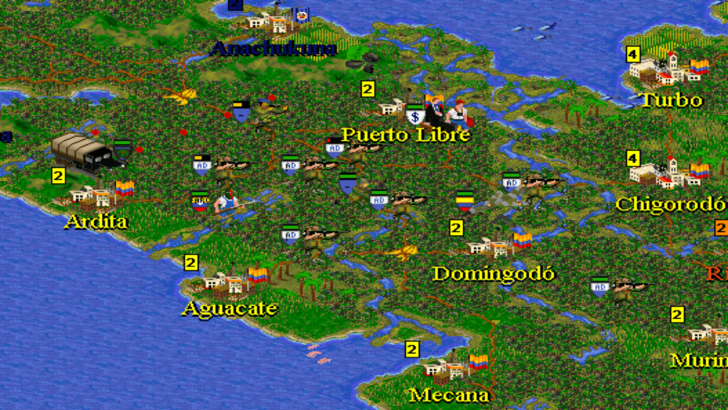
Civilization II expanded the roster and included lesser-known powers like the Sioux. Significantly, it introduced a separate female leader roster, providing alternative choices for each civilization. The definition of "leader" broadened, incorporating influential figures beyond heads of state, such as Sacagawea (Sioux) and Amaterasu (Japan).
Civ III integrated female leaders directly into the main roster. Joan of Arc replaced Napoleon for France, and Catherine the Great replaced Stalin for Russia.
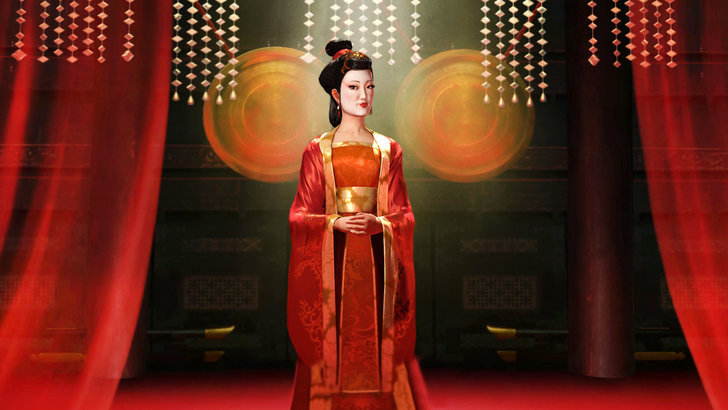
Civ IV and V further expanded the roster and the definition of leadership. Revolutionaries, generals, and reformers became common choices. Traditional leaders were either replaced or joined by others, showcasing a wider range of historical figures. Wu Zetian replaced Mao Zedong for China, and both Victoria I and Elizabeth I represented England. The focus shifted from solely powerful figures to a more inclusive representation of humanity.
Civ VI: Enhanced Characterization and Creative Flourishing
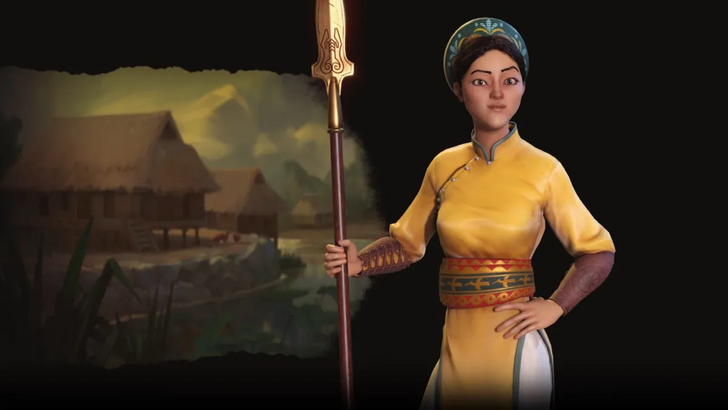
Civilization VI significantly enhanced characterization, diversity, and creativity. Leaders were presented as stylized animated caricatures. The introduction of Leader Personas – alternate versions emphasizing different aspects of a leader’s personality – offered diverse playstyles. Lesser-known figures from less prominent civilizations joined the roster.
Lautaro (Mapuche), Bà Triệu (Vietnam), and Queen Gorgo (Sparta) are prime examples. The game also introduced civilizations with multiple leader options (e.g., America under Lincoln or Roosevelt, China under Qin Shi Huang, Wu Zetian, or Yongle). Leader Personas added even more diversity (e.g., Catherine de Medici, Theodore Roosevelt, Harald Hardrada, Suleiman, and Victoria).
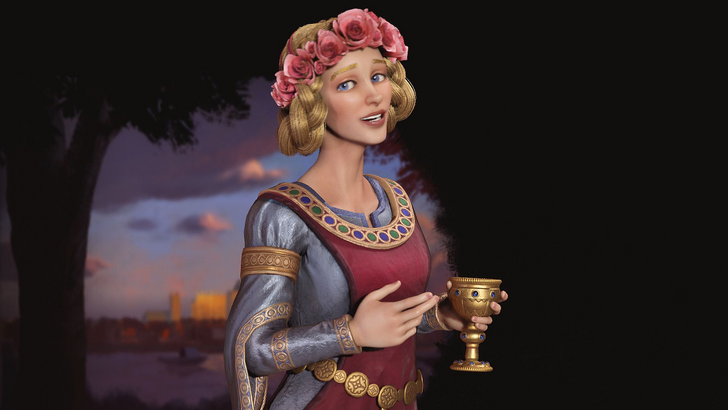
Civ VII: A Bold Departure and Inclusive Roster
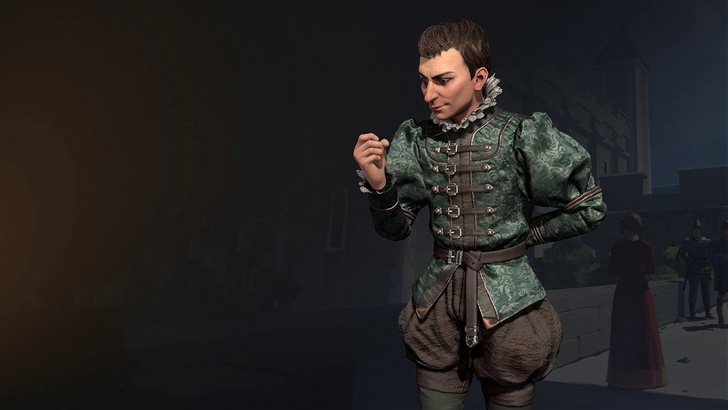
Civilization VII represents the culmination of Firaxis' evolving leader selection philosophy. It features the most diverse and creative roster to date, with unconventional leaders, multiple personas, and carefully curated choices for distinct playstyles.
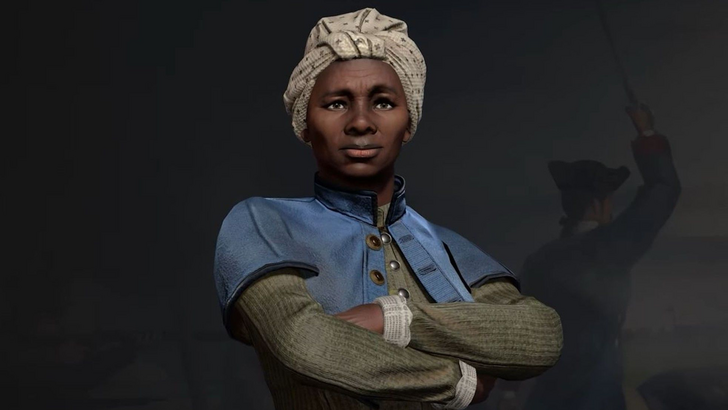
The mix-and-match approach to civilizations and leaders allows even lesser-known figures to take center stage. Harriet Tubman, the American abolitionist, is a notable example, filling the spymaster role. Niccolò Machiavelli, despite not being a head of state, embodies his diplomatic strategies. José Rizal of the Philippines also joins the roster, focusing on diplomacy and narrative events.

Over nearly 30 years, Civilization has evolved from a game about superpowers to a diverse and imaginative representation of humanity's great minds. The definition of leadership has changed dramatically, but the significance of leaders remains unwavering.
← Return to Sid Meier's Civilization VII main article
Sid Meier's Civilization VII Similar Games